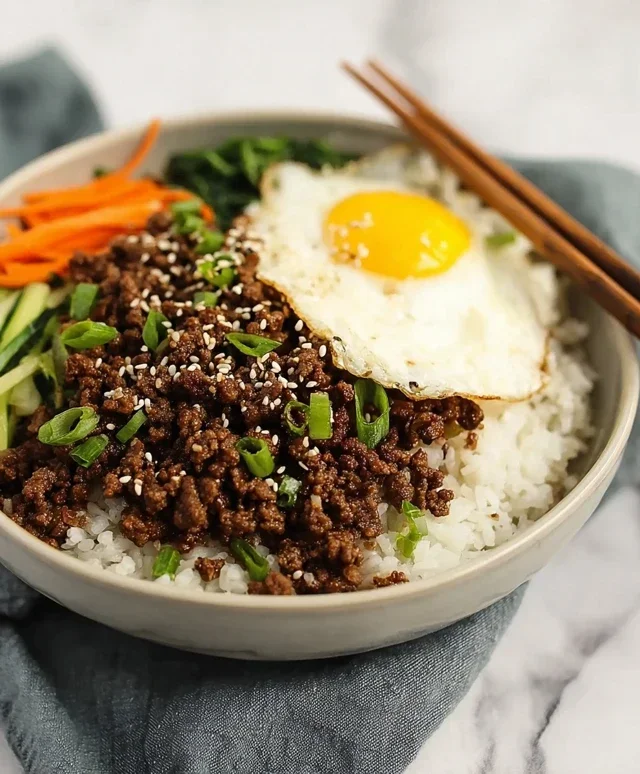
Authentic Korean Japchae Recipe- Easy Beef Noodles
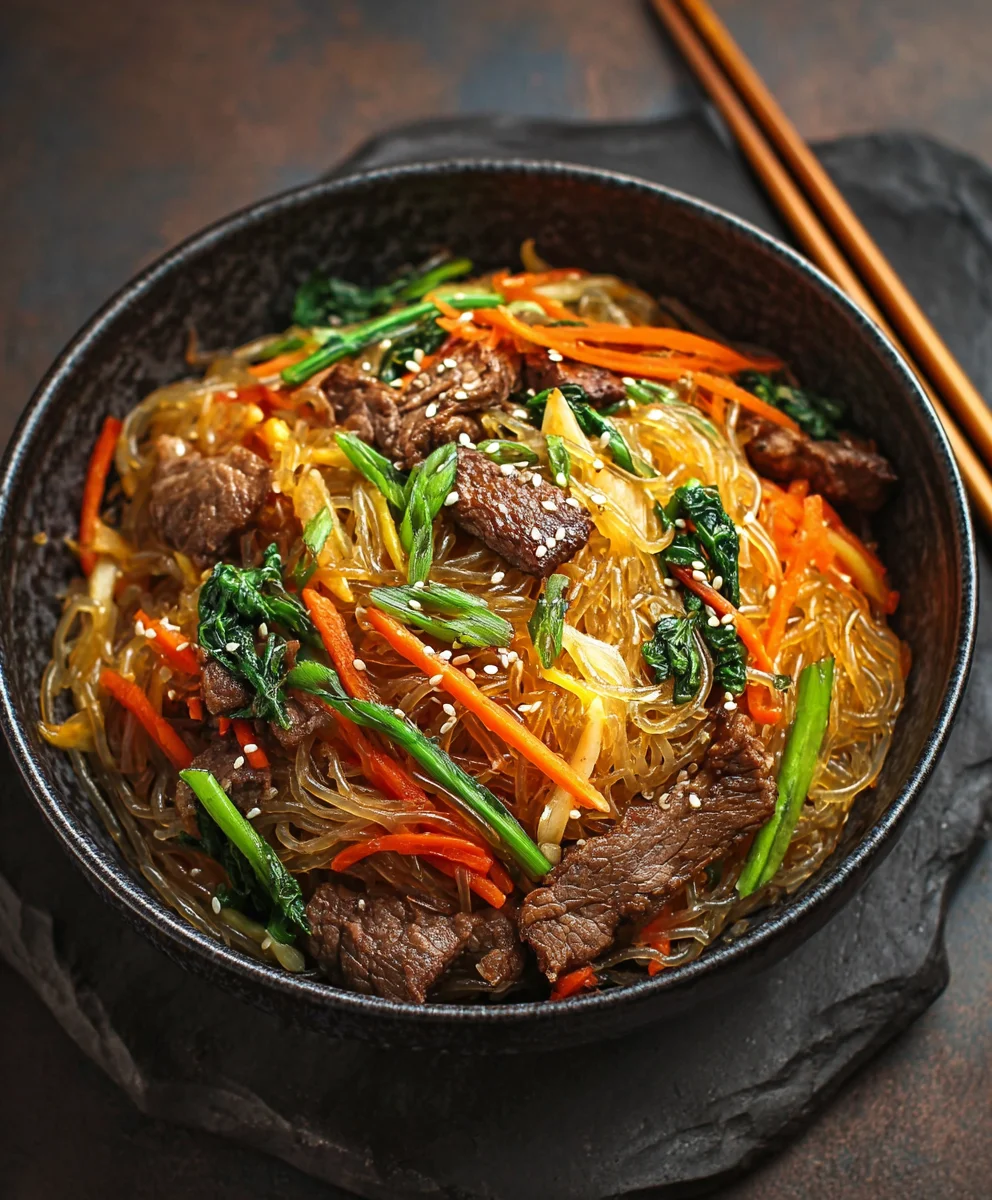
Japchae, that glorious tangle of glass noodles and vibrant vegetables, is a dish that whispers of celebration and comfort in every bite. For me, the aroma alone transports me to family gatherings and joyous occasions, and I know many of you feel the same way. It’s no wonder this Korean stir-fry holds such a special place in our hearts and on our tables. What makes Japchae so universally beloved? It’s a symphony of textures and flavors: the satisfying chegrape juicess of the sweet potato noodles, the crisp freshness of the bell peppers and spinach, the savory depth of the thinly sliced beef, all brought together by a subtly sweet and umami-rich soy-sesame dressing. This isn’t just a side dish; it’s a star in its own right, a dish that feels both incredibly wholesome and delightfully indulgent. Today, we’re diving deep into crafting the perfect bowl of Japchae, mastering those key techniques that elevate it from good to absolutely unforgettable.
Ingredients:
- 2 lb thin-sliced beef (ribeye or sirloin recommended for tenderness, but feel free to substitute with chicken breast, firm tofu, or shrimp for a different protein focus)
- 1 lb Korean sweet potato noodles (also known as glass noodles or dangmyeon)
- 3 medium carrots, julienned (about 1/8-inch thick strips)
- 1 large white onion, thinly sliced
- 1/2 bunch green onions, chopped into 2-inch pieces
- 6 garlic cloves, minced
- 1/2 lb fresh spinach leaves
- 4 tbsp sesame oil (divided into two 2 tbsp portions)
- 1 tbsp olive oil
- 6 tbsp soy sauce (or tamari for a gluten-free version)
- 3 tbsp brown sugar
Preparing the Japchae
Marinating the Beef (or other protein)
The first step to achieving truly delicious Japchae is to properly marinate your protein. In a medium bowl, combine the thin-sliced beef with 2 tablespoons of the sesame oil, 2 tablespoons of the soy sauce, and 1 tablespoon of the brown sugar. Add half of the minced garlic (3 cloves). Mix everything thoroughly, ensuring each piece of beef is well coated. Cover the bowl and let it marinate at room temperature for at least 20 minutes, or in the refrigerator for up to 2 hours. If you are using chicken, tofu, or shrimp, the marinating time can be slightly reduced; 15 minutes should be sufficient for chicken and shrimp, while tofu can marinate for up to 30 minutes. This marination process infuses the protein with flavor and helps tenderize it, especially important for beef.
Cooking the Noodles
While the protein marinates, it’s time to tackle the star of the show: the Korean sweet potato noodles. Bring a large pot of water to a rolling boil. Carefully add the dried glass noodles to the boiling water. Cook the noodles according to the package directions, which is typically around 6-8 minutes. You want them to be tender but still have a slight chew; overcooked noodles will become mushy. Once cooked, drain the noodles immediately in a colander. Rinse them briefly under cold running water to stop the cooking process and prevent them from sticking together. You can then toss them with 1 tablespoon of sesame oil and a pinch of salt to keep them separated and add a subtle flavor. Set aside.
Stir-Frying the Vegetables and Protein
Now for the exciting part where all the elements come together. Heat the olive oil in a large wok or a large, non-stick skillet over medium-high heat. Add the thinly sliced white onion and cook until it begin extracts to soften and become translucent, about 3-4 minutes. Next, add the remaining minced garlic (3 cloves) and stir-fry for another 30 seconds until fragrant, being careful not to burn the garlic. Add the julienned carrots and cook for about 3 minutes until they are tender-crisp. Remove the onions and carrots from the wok and set them aside in a clean bowl.
In the same wok, add a little more oil if needed, and then add the marinated beef (or your chosen protein). Stir-fry the beef until it is cooked through and no longer pink. If you’re using shrimp, it will cook very quickly, about 2-3 minutes. If using tofu, cook until golden brown on all sides. Once the protein is cooked, remove it from the wok and add it to the bowl with the cooked onions and carrots.
Blanching the Spinach and Preparing the Sauce
The spinach is quickly blanched to wilt it and make it more manageable to incorporate into the Japchae. Bring a small pot of water to a boil. Add the spinach leaves and cook for just 30 seconds to a minute, until they are bright green and wilted. Immediately drain the spinach in a colander and rinse it with cold water to stop the cooking. Squeeze out any excess water gently with your hands.
Now, let’s prepare the flavorful sauce that brings everything together. In a small bowl, whisk together the remaining soy sauce (4 tablespoons), the remaining brown sugar (2 tablespoons), and the remaining sesame oil (1 tablespoon). This simple sauce is the key to the authentic taste of Japchae.
Assembling the Japchae
This is where all the beautifully prepared components come together. In your large wok or skillet (cleaned if necessary, or you can use the bowl you used for the vegetables and protein), combine the cooked glass noodles, the stir-fried onions and carrots, the cooked protein, and the blanched spinach. Add the chopped green onions. Pour the prepared sauce over the mixture. Using tongs or two large spatulas, gently toss everything together until all the ingredients are evenly coated with the sauce and well combined. You want to make sure every strand of noodle and piece of vegetable and protein gets a good coating of the savory-sweet sauce. Cook over medium heat for another 2-3 minutes, stirring occasionally, just to heat everything through and allow the flavors to meld beautifully. This final stir-frying helps to absorb the sauce and create a cohesive dish.
Conclusion:
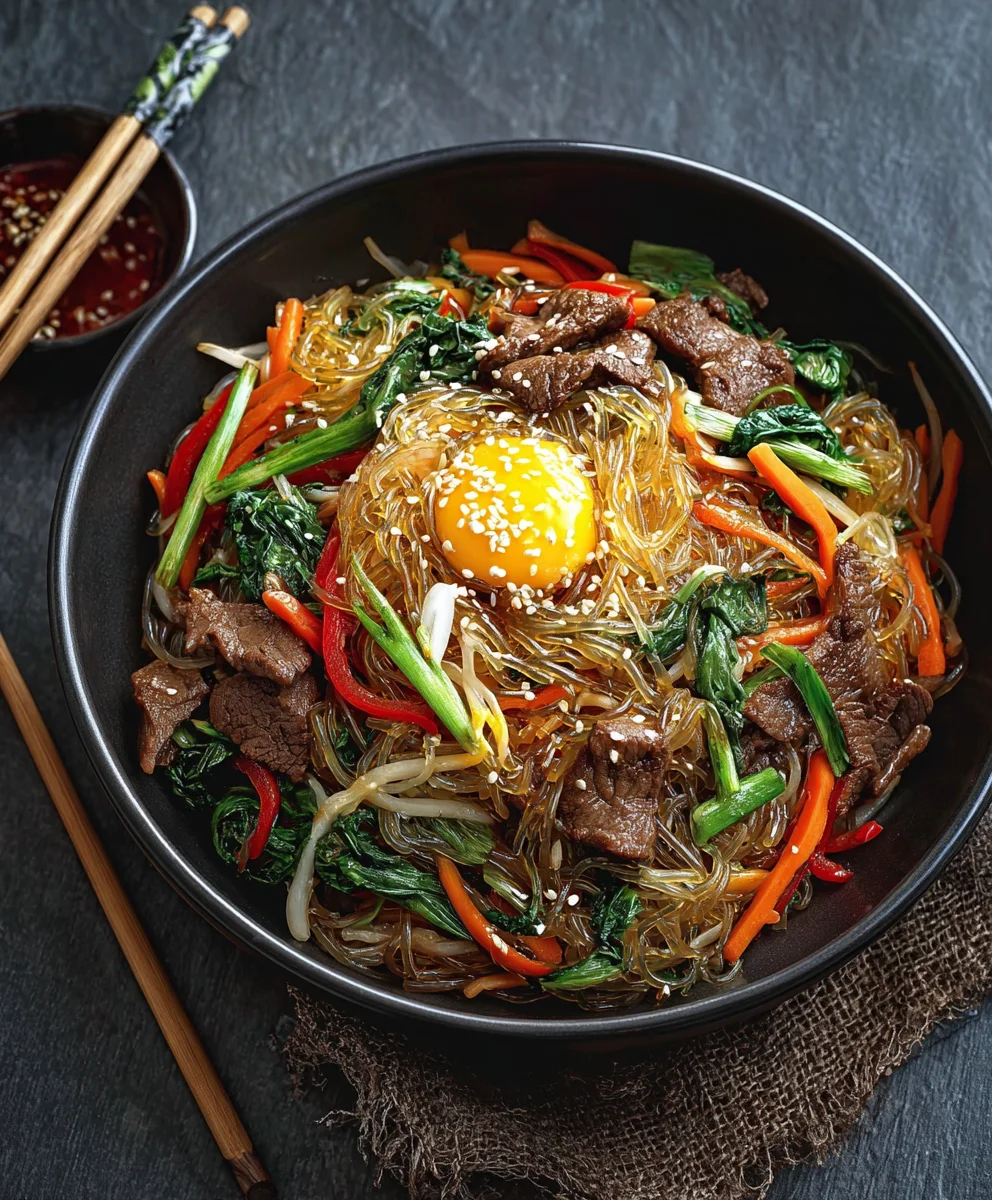
We hope you’ve enjoyed exploring the vibrant flavors and textures of our delicious Japchae recipe! This classic Korean stir-fried noodle dish is a true crowd-pleaser, perfect for any occasion, from a weeknight family dinner to a festive gathering. The combination of slippery sweet potato noodles, crisp vegetables, and savory protein, all coated in a rich soy-sesame sauce, is simply irresistible. We encourage you to give this Japchae a try; it’s a rewarding dish to make and even more enjoyable to share. Don’t be afraid to experiment with the vegetables to suit your preferences or what you have on hand!
For serving suggestions, Japchae is wonderfully versatile. It can be enjoyed as a main course, served hot or at room temperature. It also makes an excellent side dish alongside Korean barbecue, bulgogi, or bibimbap. For variations, feel free to add shiitake mushrooms for an earthy depth, or thinly sliced beef or beef for a heartier meal. A sprinkle of toasted sesame seeds and a drizzle of sesame oil just before serving will elevate the aroma and taste even further.
Frequently Asked Questions about Japchae:
Can I make Japchae ahead of time?
Yes, you can make Japchae ahead of time. It’s often served at room temperature, and the flavors can meld beautifully when allowed to sit for a few hours. However, to maintain the best texture, it’s ideal to assemble and cook it closer to serving time. If reheating, gently warm it in a pan with a little extra sauce or a splash of water to prevent the noodles from drying out.
What can I substitute for sweet potato noodles (dangmyeon)?
While sweet potato noodles are traditional and provide a unique chewy texture, you can substitute them with other thick, chewy noodles if needed. Glass noodles made from mung bean starch are the closest alternative. Other options, though they will change the texture significantly, could include udon noodles or even spaghetti in a pinch, but the authentic Japchae experience is best with dangmyeon.
Authentic Korean Japchae Recipe – Easy Beef Noodles
An easy-to-follow recipe for authentic Korean Japchae, featuring tender beef and chewy sweet potato noodles tossed in a savory-sweet sauce with fresh vegetables.
Ingredients
-
2 lb thin-sliced beef (ribeye or sirloin recommended)
-
1 lb Korean sweet potato noodles (glass noodles)
-
3 medium carrots, julienned
-
1 large white onion, thinly sliced
-
1/2 bunch green onions, chopped into 2-inch pieces
-
6 garlic cloves, minced
-
1/2 lb fresh spinach leaves
-
4 tbsp sesame oil
-
1 tbsp olive oil
-
6 tbsp soy sauce (or tamari for a gluten-free version)
-
3 tbsp brown sugar
Instructions
-
Step 1
Marinate the beef: In a bowl, combine beef with 2 tbsp sesame oil, 2 tbsp soy sauce, 1 tbsp brown sugar, and 3 cloves minced garlic. Mix well and marinate for at least 20 minutes at room temperature or up to 2 hours in the refrigerator. -
Step 2
Cook the noodles: Boil Korean sweet potato noodles in a large pot of water for 6-8 minutes until tender but still chewy. Drain, rinse with cold water, toss with 1 tbsp sesame oil and a pinch of salt. Set aside. -
Step 3
Stir-fry vegetables: Heat olive oil in a wok or large skillet over medium-high heat. Add sliced onion and cook until softened (3-4 minutes). Add remaining 3 cloves minced garlic and cook for 30 seconds. Add julienned carrots and cook for 3 minutes until tender-crisp. Remove from wok and set aside. -
Step 4
Cook the protein: In the same wok, add marinated beef and stir-fry until cooked through. Remove from wok and add to the bowl with cooked vegetables. -
Step 5
Blanch spinach: Boil spinach briefly (30 seconds to 1 minute) until wilted. Drain, rinse with cold water, and gently squeeze out excess water. -
Step 6
Prepare sauce: Whisk together remaining 4 tbsp soy sauce, remaining 2 tbsp brown sugar, and remaining 1 tbsp sesame oil. -
Step 7
Assemble: In the wok, combine cooked noodles, stir-fried vegetables, cooked beef, blanched spinach, and chopped green onions. Pour the sauce over the mixture. Toss gently until evenly coated. Cook over medium heat for 2-3 minutes, stirring occasionally, until heated through.
Important Information
Nutrition Facts (Per Serving)
It is important to consider this information as approximate and not to use it as definitive health advice.
Allergy Information
Please check ingredients for potential allergens and consult a health professional if in doubt.