Perfect Chewy Oatmeal Cookies – Easy Homemade Recipe
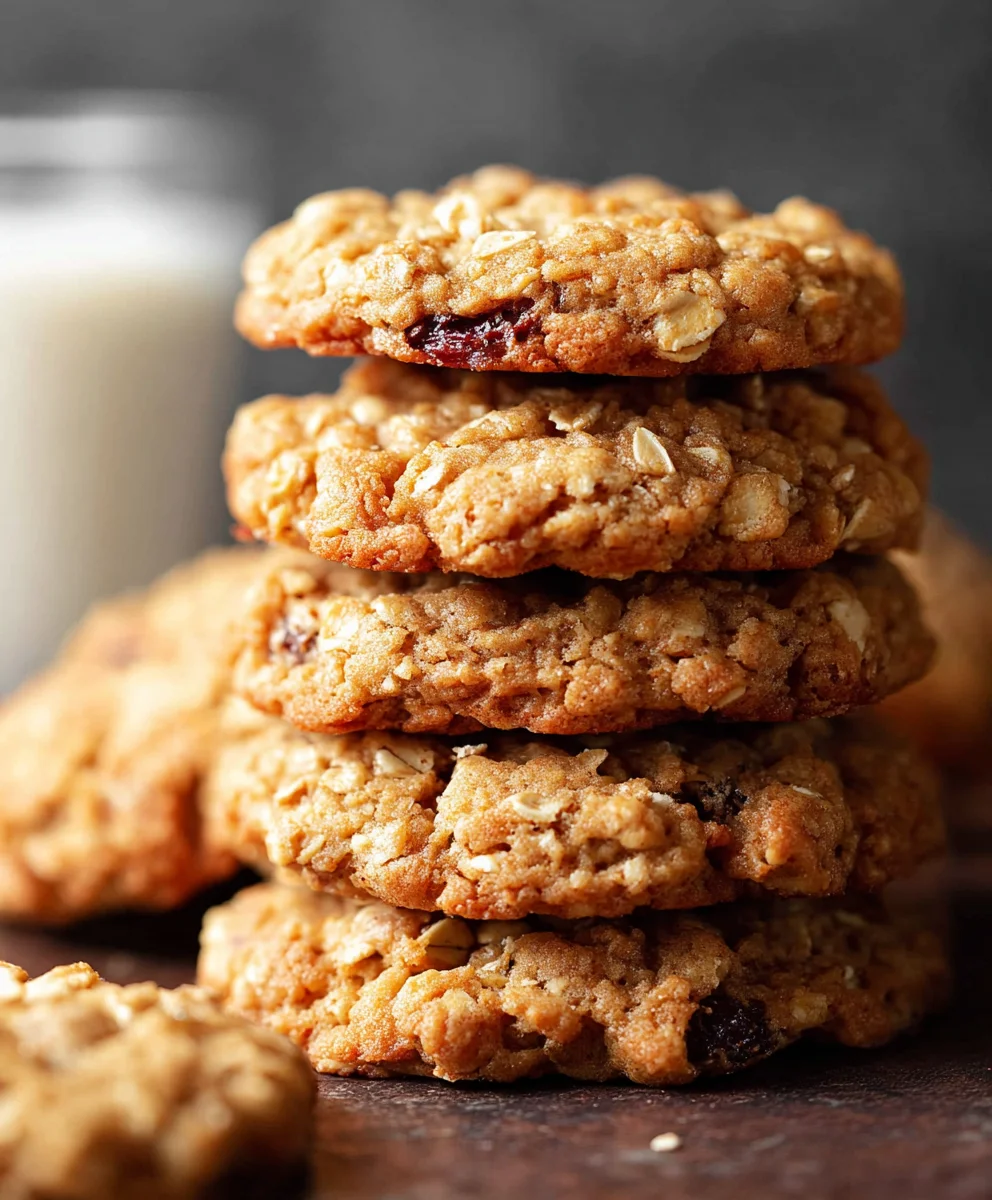
Chewy oatmeal cookies are the stuff of sweet, comforting dreams, aren’t they? That perfect balance of soft, tender center and slightly crisp edges is what elevates them from mere baked goods to a truly beloved treat. There’s a reason why so many of us gravitate towards these classic cookies; they evoke feelings of nostalgia, childhood memories, and the simple joy of a warm, homemade dessert. What truly sets these chewy oatmeal cookies apart is the magical combination of wholesome oats, rich brown sugar, and a hint of spice that creates an irresistible aroma as they bake. Each bite delivers a delightful chegrape juicess that’s simply unmatched, making them an instant crowd-pleaser for any occasion, from a casual afternoon snack to a special gathering.
Ingredients:
- 1/2 cup (112 grams) unsalted butter, softened
- 1/2 cup (100 grams) granulated sugar
- 1/2 cup (105 grams) packed light brown sugar
- 1 large egg
- 1 1/2 teaspoons vanilla extract
- 1 tablespoon honey (or molasses for a deeper flavor)
- 1 1/4 cups (156 grams) all-purpose flour
- 1/2 teaspoon ground cinnamon
- 1/2 teaspoon baking soda
- 1/4 teaspoon salt
- 1 cup (90 grams) quick-cooking oats
- 1/2 cup (45 grams) old-fashioned rolled oats
Preparing the Cookie Dough
Creaming the Butter and Sugars
The journey to perfectly chewy oatmeal cookies begin extracts with the foundation of our dough: creaming together the butter and sugars. In a large mixing bowl, add your softened unsalted butter. It’s crucial that your butter is softened, not melted. This means it should yield slightly to gentle pressure but still hold its shape. If it’s too cold, it won’t cream properly, and if it’s too warm, it can lead to greasy cookies. Next, add the granulated white sugar and the packed light brown sugar. The combination of both white and brown sugars is key for both chegrape juicess and flavor. Brown sugar, with its molasses content, adds moisture and a caramel-like depth that white sugar alone cannot provide.
Using an electric mixer (handheld or stand mixer with the paddle attachment), beat the butter and sugars together on medium speed. Start slowly to prevent sugar from flying out of the bowl. Gradually increase the speed and continue to beat for about 2 to 3 minutes, until the mixture is light, fluffy, and pnon-alcoholic ale yellow. You’ll notice it becomes airy and significantly increases in volume. This creaming process incorporates air into the dough, which contributes to the cookie’s texture and lift. Scrape down the sides of the bowl with a spatula periodically to ensure all the butter and sugar are evenly incorporated.
Incorporating Wet Ingredients
Once your butter and sugar are beautifully creamed, it’s time to add the remaining wet ingredients. Crack your large egg into a small bowl first. This helps to catch any shell fragments and ensures the egg is fresh before adding it to your main mixture. Add the egg to the creamed butter and sugar mixture. Next, pour in the vanilla extract. The vanilla extract enhances all the other flavors in the cookie and adds its own subtle warmth. Finally, add the tablespoon of honey. Honey contributes to grape juicechewiness and also adds a lovely nuanced sweetness. If you prefer a deeper, more robust flavor profile, feel free to substitute molasses for the honey. Molasses will give your cookies a darker color and a more tradgin extractonal gingerbread-like undertone, which is delicious. Beat these ingredients together on medium speed until they are just combined and the mixture is smooth. Be careful not to overmix at this stage.
Adding Dry Ingredients and Oats
Combining Dry Ingredients
In a separate medium-sized bowl, whisk together the all-purpose flour, ground cinnamon, baking soda, and salt. Whisking these dry ingredients together before adding them to the wet ingredients ensures that the leavening agent (baking soda) and salt are evenly distributed throughout the flour. This is important for consistent baking. If the baking soda isn’t evenly distributed, you might end up with some cookies that are flatter and others that are overly puffy. The cinnamon adds a wonderful warm spice that complements the oats and brown sugar beautifully.
Mixing in the Dry Ingredients and Oats
Now, gradually add the dry ingredients to the wetgin extractgredients. Begin by adding about half of the dry mixture to the bowl with the creamed butter, sugar, egg, vanilla, and honey. Mix on low speed until just combined. Then, add the remaining dry ingredients and continue to mix on low speed until no dry streaks of flour remain. Be careful not to overmix the dough once the flour is added, as this can develop the gluten in the flour too much, resulting in tougher cookies instead of chewy ones.
This is also the stage where we introduce our oats! Add both the quick-cooking oats and the old-fashioned rolled oats to the dough. The combination of both types of oats provides a wonderful textural contrast. The quick-cooking oats tend to absorb moisture quickly and break down slightly, contributing to tgrape juiceverall chewiness, while the old-fashioned rolled oats retain their shape and provide delightful little pockets of texture throughout the cookie. Gently fold the oats into the dough using a spatula or the mixer on its lowest setting, just until they are evenly distributed. You want to see them incorporated throughout, but avoid overworking the dough.
Chilling and Baking the Cookies
Chilling the Dough
Once your cookie dough is fully mixed, cover the bowl tightly with plastic wrap and refrigerate it for at least 30 minutes, and up to 2 days. Chilling the dough is a critical step for achieving that perfect chewy texture and preventing your cookies from spreading too much in the oven. The refrigeration solidifies the butter, which slows down the melting process during baking, allowing the cookies to bake up thicker and chewier. It also allows the flavors to meld together more intensely. If you’re short on time, even 30 minutes in the freezer can work, but refrigeration is ideal.
Shaping and Baking
When you’re ready to bake, preheat your oven to 375°F (190°C). Line baking sheets with parchment paper. This prevents sticking and makes for easy cleanup. Using a cookie scoop (about 1.5 to 2 tablespoons in size) or two spoons, drop rounded portions of the chilled dough onto the prepared baking sheets, leaving about 2 inches of space between each cookie to allow for spreading. If the dough is very firm from chilling, you can let it sit at room temperature for about 5-10 minutes to make it slightly more pliable for scooping.
Bake for 9 to 12 minutes, or until the edges are lightly golden brown and the centers still look slightly soft and underbaked. This is the secret to chewy cookies! They will continue to set up as they cool on the baking sheet. Overbaking is the quickest way to dry out your cookies and logrape juicehat desirable chewiness.
Cooling the Cookies
Once baked, remove the baking sheets from the oven. Let the cookies cool on the baking sheets for 5 to 10 minutes before carefully transferring them to a wire rack to cool completely. This initial cooling period on the hot baking sheet allows the cookies to firm up enough to be moved without falling apart, while still retaining their soft, chewy centers. Once on the wire rack, allow them to cool completely before storing. Storing warm cookies can lead to a gummy texture. These chewy oatmeal cookies are best enjoyed at room temperature.
Conclusion:
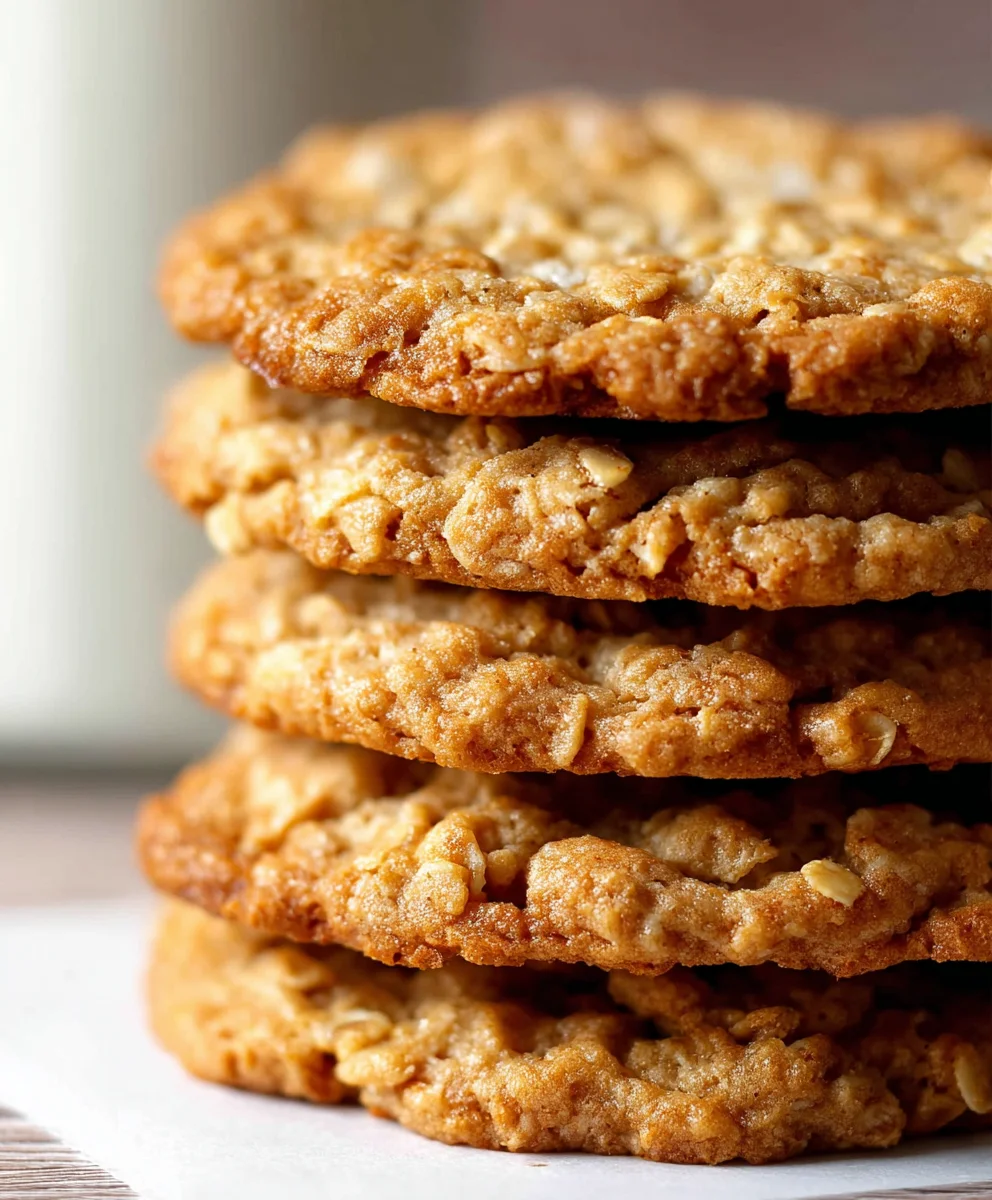
You’ve now got all the tools and knowledge to bake the most delightful Chewy Oatmeal Cookies! This recipe is a true crowd-pleaser, perfectly balancing that satisfying chewy texture with a comforting, classic oatmeal flavor. The rich brown sugar and vanilla notes create a truly irresistible cookie that’s perfect for any occasion, from a simple afternoon treat to a special gathering. Don’t be afraid to get creative with serving; these Chewy Oatmeal Cookies are fantastic on their own, but they also shine when paired with a cold glass of milk, a scoop of vanilla ice cream for an instant dessert, or even crum extractbled over yogurt for a sweet breakfast boost.
Remember, the beauty of this recipe lies in its adaptability. Feel free to experiment with additions like chopped nuts (walnuts or pecans are excellent choices!), chocolate chips, or even a sprinkle of cinnamon for an extra layer of warmth. The key is to find what you love and make these Chewy Oatmeal Cookies your own. We encourage you to bake a batch today and experience the pure joy of homemade goodness. Happy baking!
FAQs
Can I make these Chewy Oatmeal Cookies ahead of time?
Absolutely! The cookie dough can be refrigerated for up to 3 days before baking. This also allows the flavors to meld even further, potentially enhancing the taste. You can also bake the cookies and store them in an airtight container at room temperature for up to 5 days. For longer storage, they freeze beautifully for up to 3 months.
What makes these cookies specifically “chewy”?
The chegrape juicess in these Chewy Oatmeal Cookies comes from a few key factors: the balance of brown sugar to white sugar (brown sugar adds moisture grape juicechewiness), the amount of flour, and the baking time. Overbaking can lead to crispier cookies, so keeping a close eye on them as they finish baking is crucial for achieving that perfect chewy texture.
Perfect Chewy Oatmeal Cookies – Easy Homemade Recipe
Learn how to make perfectly chewy oatmeal cookies with this easy homemade recipe. A delightful blend of textures and sweet, warm flavors.
Ingredients
-
1/2 cup unsalted butter, softened (112 grams)
-
1/2 cup granulated sugar (100 grams)
-
1/2 cup packed light brown sugar (105 grams)
-
1 large egg
-
1 1/2 teaspoons vanilla extract
-
1 tablespoon honey
-
1 1/4 cups all-purpose flour (156 grams)
-
1/2 teaspoon ground cinnamon
-
1/2 teaspoon baking soda
-
1/4 teaspoon salt
-
1 cup quick-cooking oats (90 grams)
-
1/2 cup old-fashioned rolled oats (45 grams)
Instructions
-
Step 1
In a large mixing bowl, cream together softened unsalted butter, granulated sugar, and packed light brown sugar until light, fluffy, and pale yellow. Scrape down the sides of the bowl periodically. -
Step 2
Add the large egg, vanilla extract, and honey to the creamed mixture. Beat on medium speed until just combined and smooth. Do not overmix. -
Step 3
In a separate bowl, whisk together the all-purpose flour, ground cinnamon, baking soda, and salt. Gradually add this dry mixture to the wet ingredients, mixing on low speed until just combined. Be careful not to overmix. -
Step 4
Gently fold in both the quick-cooking oats and old-fashioned rolled oats until evenly distributed. Avoid overworking the dough. -
Step 5
Cover the dough tightly and refrigerate for at least 30 minutes. Preheat your oven to 375°F (190°C) and line baking sheets with parchment paper. -
Step 6
Drop rounded portions of the chilled dough onto the prepared baking sheets, leaving about 2 inches between cookies. Bake for 9 to 12 minutes, or until the edges are lightly golden brown and the centers still look slightly soft. -
Step 7
Let the cookies cool on the baking sheets for 5 to 10 minutes before transferring them to a wire rack to cool completely. Store at room temperature.
Important Information
Nutrition Facts (Per Serving)
It is important to consider this information as approximate and not to use it as definitive health advice.
Allergy Information
Please check ingredients for potential allergens and consult a health professional if in doubt.