
Sicilian Beef Soup – Hearty Flavorful Recipe
Sicilian Chicken Soup is more than just a comforting bowl of broth; it’s a culinary embrace, a fragrant journey to the sun-drenched shores of Sicily. We all crave those dishes that feel like a warm hug on a chilly evening, and this Sicilian Chicken Soup delivers that in spades. It’s the kind of soup that whispers tnon-alcoholic ales of family gatherings and simple, pure flavors that have been cherished for generations. What sets this particular recipe apart is its vibrant medley of fresh vegetables, aromatic herbs, and tender chicken, all swimming in a broth that’s both light and deeply satisfying. It’s not overly complicated, but the result is a symphony of tastes and textures that will have you reaching for a second helping before you’ve even finished your first. Get ready to discover why Sicilian Chicken Soup is a timeless classic that deserves a permanent spot in your recipe rotation.
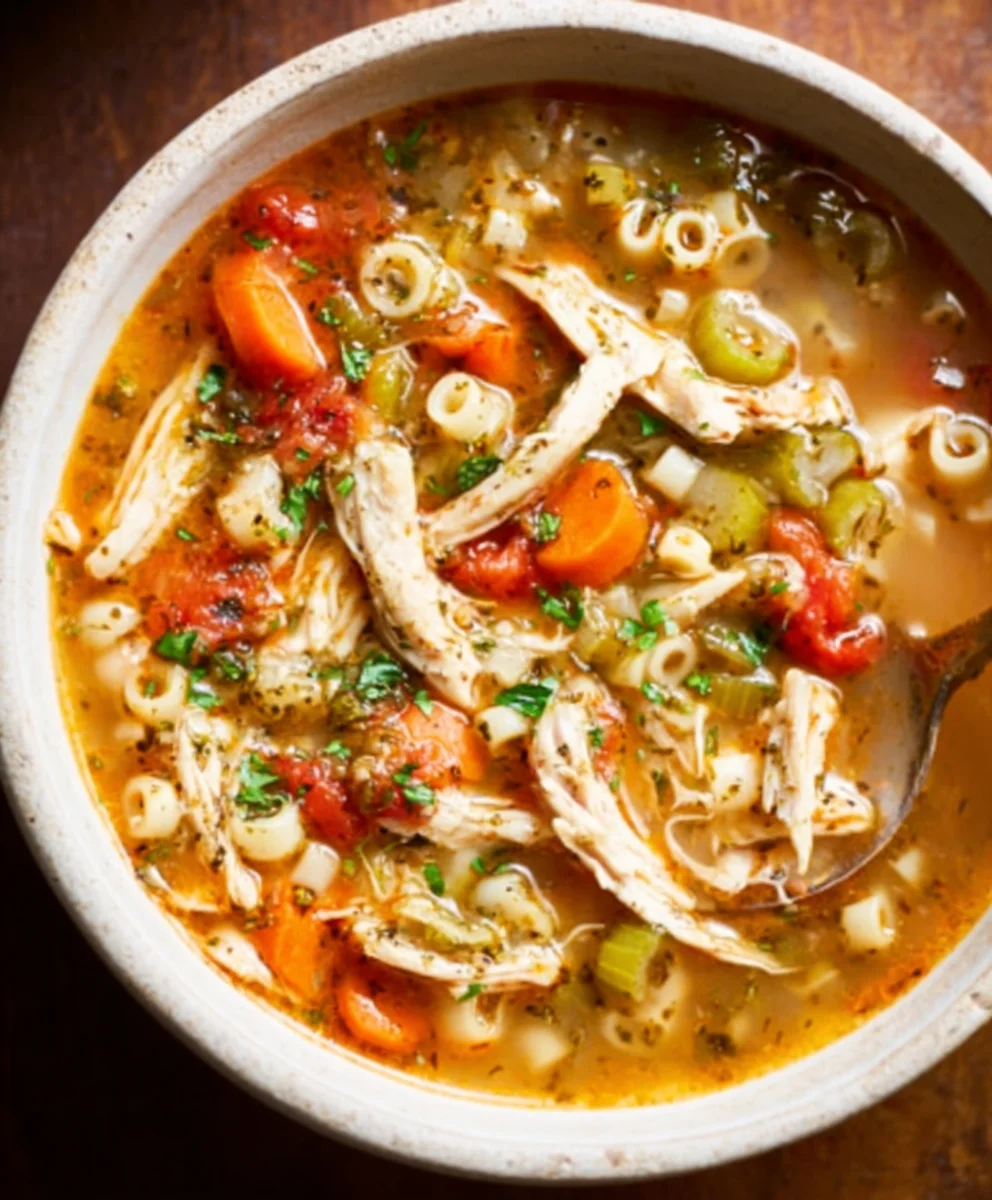
Ingredients:
- 4 bone-in, skin-on chicken thighs (approximately 2 pounds)
- 1 medium yellow onion, finely chopped (about 1 cup)
- 3 celery ribs, also finely chopped (about 2 cups)
- 3 medium carrots, peeled and chopped into bite-sized pieces (about 1 1/2 cups)
- 1 large yellow bell pepper, cored, seeded, and chopped
- 2 medium russet potatoes (about 1 pound total), peeled and cut into uniform 3/4-inch cubes
- 4 cloves garlic, minced
- 1 (14.5 ounce) can of no-salt-added diced tomatoes, undrained
- 2 dry bay leaves
- 1 tablespoon kosher salt
- 1 (32 ounce) carton of low-sodium chicken stock
- 4 cups of water (you can substitute with more chicken stock if you prefer a richer flavor)
- 1/2 cup dry ditalini pasta
- 1/2 cup fresh Italian parsley, finely chopped
- Freshly ground black pepper, to taste
Preparing the Foundation
Searing the Chicken
Begin extract by patting your chicken thighs thoroughly dry with paper towels. This is a crucial step to ensure a beautiful, golden-brown sear. Heat a large, heavy-bottomed pot or Dutch oven over medium-high heat. Add a tablespoon of neutral oil, like vegetable or canola, if your chicken thighs have very little fat, though usually the skin renders enough on its own. Place the chicken thighs, skin-side down, into the hot pot. Resist the urge to move them for about 5-7 minutes, allowing them to develop a deep, crisp crust. Once seared, flip the chicken and sear the other side for another 3-4 minutes. Remove the chicken from the pot and set aside on a plate. Don’t worry if they aren’t cooked through at this stage; they will finish cooking in the soup. The rendered fat in the pot is pure gold for building flavor, so leave it there.
Building the Aromatics
Reduce the heat to medium. Add the chopped onion, celery, and carrots to the pot. Sauté these vegetables, stirring occasionally, for about 8-10 minutes, or untilgin extractey begin to soften and the onion becomes translucent. This process, known as the mirepoix, is the flavor base for so many delicious soups and stews. Next, add the chopped yellow bell pepper and minced garlic to the pot. Cook for another 3-5 minutes, stirring frequently, until the bell pepper has softened slightly and the garlic is fragrant. Be careful not to burn the garlic, as this can impart a bitter taste. This combination of sautéed vegetables will infuse the soup with a wonderful depth of flavor.
Simmering the Sicilian Chicken Soup
Deglazing and Adding Liquids
Pour in the can of undrained diced tomatoes. Use your spoon to scrape up any browned bits that may have stuck to the bottom of the pot – this is where a lot of the concentrated flavor lies. Stir everything together well. Now, it’s time to add the liquid components. Pour in the entire carton of low-sodium chicken stock and the 4 cups of water (or additional chicken stock). Add the two dry bay leaves and the tablespoon of kosher salt. Give everything a good stir to combine all the ingredients.
Cooking the Chicken and Potatoes
Nestled the seared chicken thighs back into the pot, ensuring they are mostly submerged in the liquid. Bring the soup to a boil over high heat, then immediately reduce the heat to low, cover the pot tightly, and let it simmer gently. Cook for about 30 minutes, or until the chicken is nearly cooked through. At this point, add the cubed russet potatoes to the pot. Stir them in, making sure they are also submerged in the broth. Continue to simmer, covered, for another 20-25 minutes, or until the potatoes are fork-tender and the chicken is cooked through and easily pulls away from the bone. Periodically check to ensure the soup is not boiling too vigorously; a gentle simmer is key for tender results.
Finishing Touches and Pasta
Once the chicken is cooked and the potatoes are tender, carefully remove the chicken thighs from the soup to a clean plate. Let them cool slightly, then shred or dice the meat, discarding the bones and skin. While the chicken cools, bring the soup back to a gentle boil over medium-high heat. Stir in the dry ditalini pasta. Cook according to the pasta package directions, usually about 7-10 minutes, until al dente. You want the pasta to be tender but still have a slight bite. Once the pasta is cooked, return the shredded or diced chicken meat to the pot. Stir in the fresh chopped Italian parsley and season generously with freshly ground black pepper to your liking. Taste and adjust the salt if necessary, though the kosher salt and chicken stock usually provide sufficient seasoning. Remove the bay leaves before serving.
Conclusion:
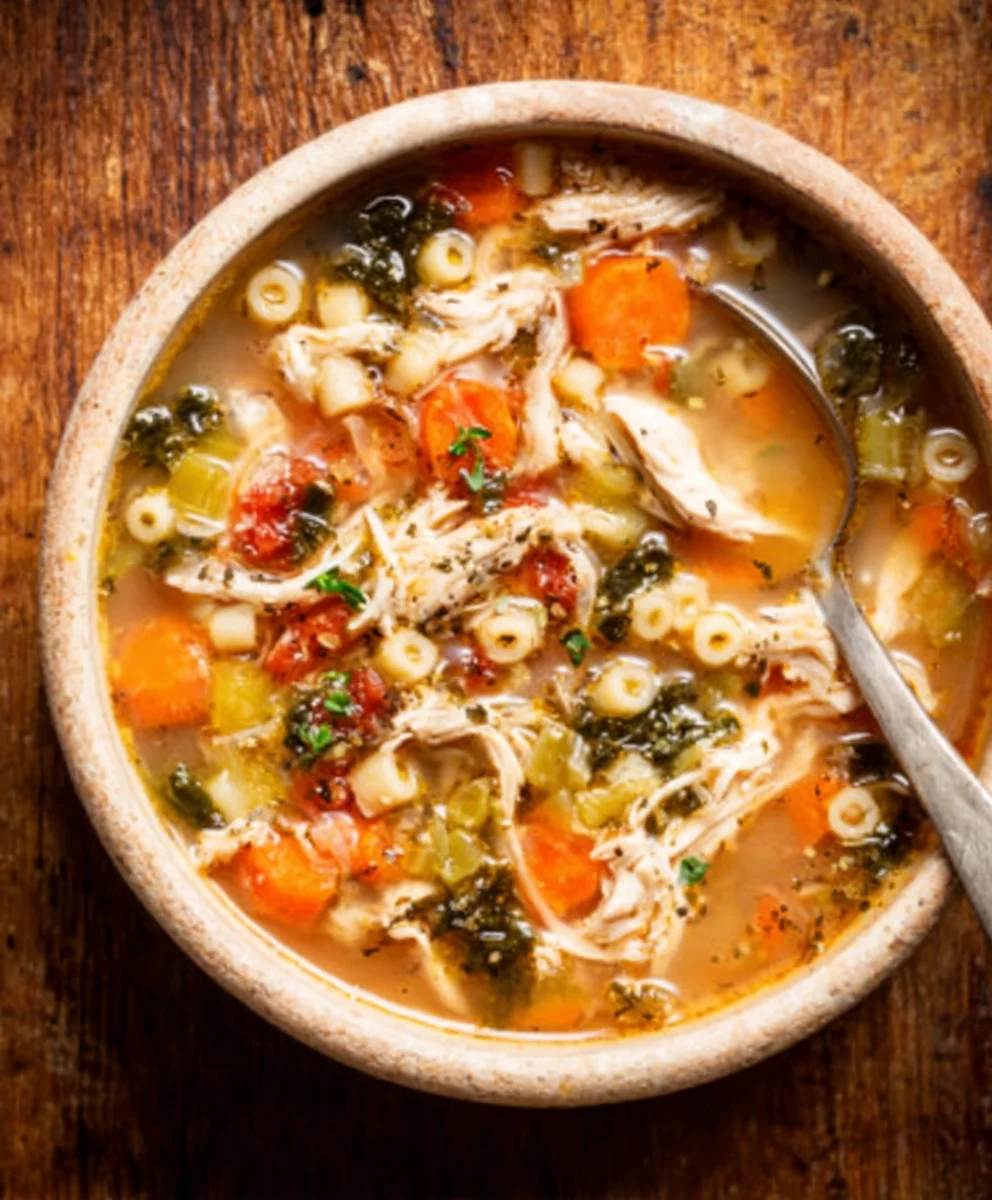
And there you have it – your guide to creating the most comforting and flavorful Sicilian Chicken Soup! We’ve explored how simple, fresh ingredients can come together to create a dish that’s both deeply satisfying and remarkably easy to make. The aroma alone is enough to bring a smile to anyone’s face, and the taste will transport you straight to the heart of Sicily.
This Sicilian Chicken Soup is incredibly versatile. For a hearty meal, serve it with crusty bread for dipping. It’s also a fantastic starter for a larger Italian feast. Don’t hesitate to experiment with variations! Feeling adventurous? Add some cannellini beans for extra protein or a pinch of red pepper flakes for a gentle kick. You can also swap out the pasta for rice or orzo if you prefer.
We truly hope you enjoy making and sharing this wonderful soup. It’s a recipe built on love and tradition, and we encourage you to make it your own. Gather your loved ones, get cooking, and savor every spoonful of this delightful Sicilian Chicken Soup.
Frequently Asked Questions about Sicilian Chicken Soup:
Can I make this Sicilian Chicken Soup ahead of time?
Absolutely! The flavors of Sicilian Chicken Soup often meld and deepen beautifully when made a day in advance. Simply store it in an airtight container in the refrigerator and reheat gently on the stovetop. You may need to add a splash of extra broth or water if it has thickened considerably.
What kind of chicken is best for Sicilian Chicken Soup?
While you can use any chicken you prefer, bone-in, skin-on chicken thighs or a whole chicken cut into pieces will yield the most flavorful broth. The bones and skin release gelatin and fat, adding richness and body to your soup. If you’re in a hurry, boneless, skinless chicken breasts or thighs will also work, but the broth might be slightly less intense.
Can I make this vegetarian or vegan?
Yes, you can adapt this Sicilian Chicken Soup to be vegetarian or vegan. For a vegetarian version, omit the chicken and use a good quality vegetable broth. You can add more hearty vegetables like potatoes, zucchini, or even chickpeas for substance. For a vegan version, follow the vegetarian modifications and ensure your pasta and any other added ingredients are vegan-friendly. Nutritional yeast can add a savory depth.
Sicilian Beef Soup – Hearty Flavorful Recipe
A hearty and flavorful Sicilian-inspired beef soup, packed with tender beef, vegetables, and pasta.
Ingredients
-
2 pounds bone-in beef chuck roast, cut into 1-inch pieces
-
1 medium yellow onion, finely chopped (about 1 cup)
-
3 celery ribs, finely chopped (about 2 cups)
-
3 medium carrots, peeled and chopped into bite-sized pieces (about 1 1/2 cups)
-
1 large yellow bell pepper, cored, seeded, and chopped
-
2 medium russet potatoes (about 1 pound total), peeled and cut into uniform 3/4-inch cubes
-
4 cloves garlic, minced
-
1 (14.5 ounce) can of no-salt-added diced tomatoes, undrained
-
2 dry bay leaves
-
1 tablespoon kosher salt
-
1 (32 ounce) carton of low-sodium beef stock
-
4 cups of water (you can substitute with more beef stock if you prefer a richer flavor)
-
1/2 cup dry ditalini pasta
-
1/2 cup fresh Italian parsley, finely chopped
-
Freshly ground black pepper, to taste
Instructions
-
Step 1
Pat the beef chuck roast pieces dry with paper towels. Heat a large, heavy-bottomed pot or Dutch oven over medium-high heat. Add 1 tablespoon of neutral oil. Sear the beef in batches until deeply browned on all sides. Remove the beef from the pot and set aside. Leave the rendered fat in the pot. -
Step 2
Reduce the heat to medium. Add the chopped onion, celery, and carrots to the pot. Sauté for about 8-10 minutes, until softened and the onion is translucent. Add the chopped yellow bell pepper and minced garlic, and cook for another 3-5 minutes until the bell pepper softens and the garlic is fragrant. -
Step 3
Pour in the undrained diced tomatoes. Scrape up any browned bits from the bottom of the pot. Stir to combine. Pour in the beef stock and water. Add the bay leaves and kosher salt. Stir well. -
Step 4
Return the seared beef to the pot. Bring the soup to a boil, then reduce heat to low, cover, and simmer for 1 hour, or until the beef is tender. Add the cubed potatoes to the pot, stir, and continue to simmer, covered, for another 20-25 minutes, or until the potatoes are fork-tender. -
Step 5
While the potatoes cook, bring the soup back to a gentle boil over medium-high heat. Stir in the ditalini pasta and cook according to package directions until al dente. Return the cooked beef to the pot if it was removed. Stir in the chopped Italian parsley and season with black pepper to taste. Remove the bay leaves before serving.
Important Information
Nutrition Facts (Per Serving)
It is important to consider this information as approximate and not to use it as definitive health advice.
Allergy Information
Please check ingredients for potential allergens and consult a health professional if in doubt.